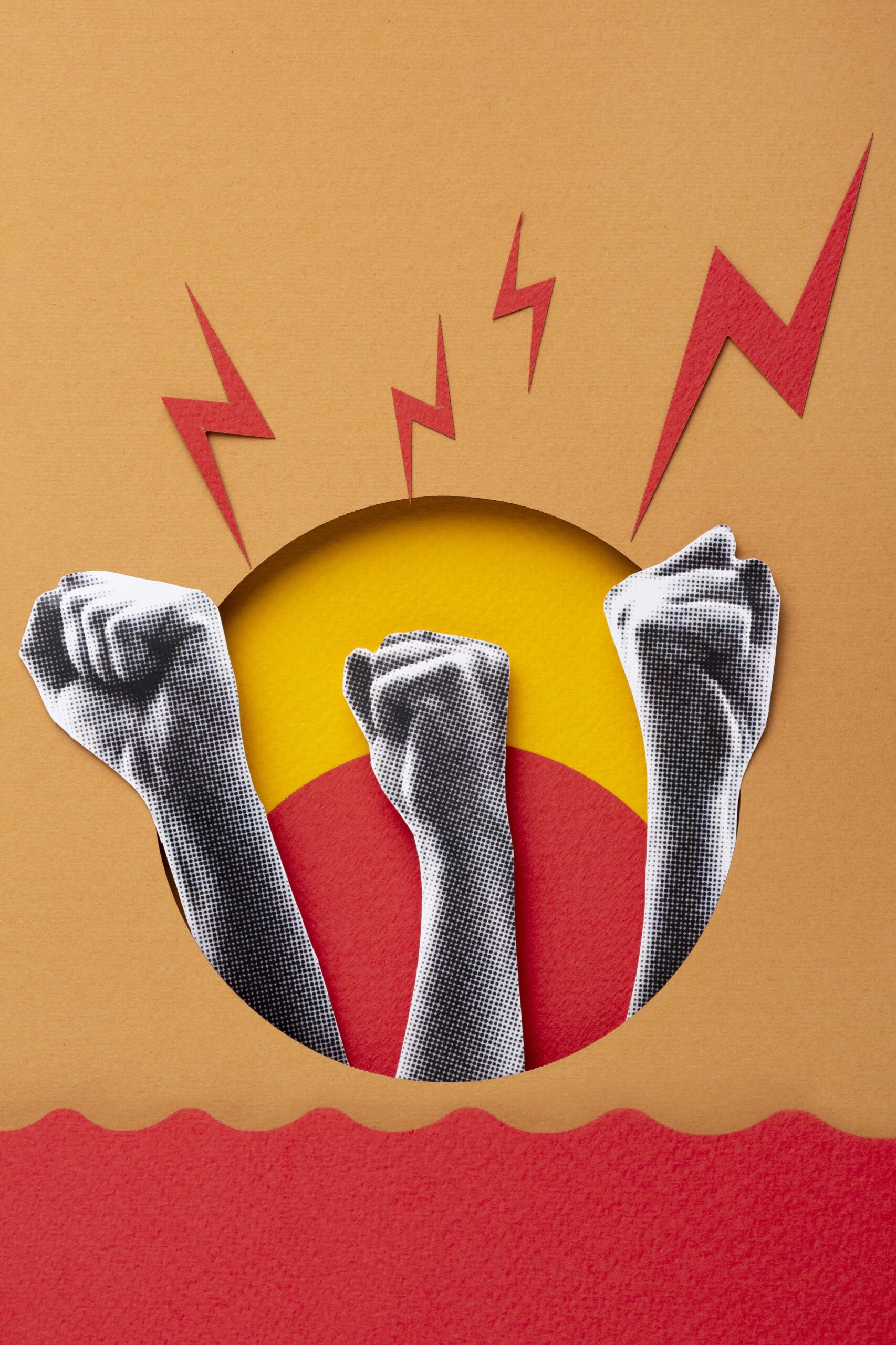
Every system of power carries within it the seed of its own undoing. No matter how just or stable it seems, time exposes cracks — injustices unaddressed, voices unheard, promises betrayed. When dialogue fails and reform stalls, what remains is the language of rupture: revolution. But is revolution an unavoidable rhythm of politics, or a failure of it?
Politics, at its core, is the art of negotiation — of balancing interests, resolving conflicts, and sustaining order. Yet history shows that no structure remains untouched by change. Monarchies give way to republics, empires to nations, regimes to movements. Sometimes transformation unfolds gradually; other times it arrives like a storm. When power hardens into permanence, revolution becomes the tool through which society remembers it can still choose.
Still, revolution is never pure. It begins with hope, but often leaves chaos in its wake. The energy that dismantles oppression can, if untamed, birth new forms of domination. Every revolution contains both creation and destruction — the birth of new ideals, and the loss of what came before. As Hannah Arendt once wrote, revolution promises not merely freedom from tyranny, but the freedom to begin anew — a fragile, unpredictable freedom that can never be guaranteed.
Perhaps revolution is not inevitable in its violence, but in its necessity for renewal. Power, by its nature, resists change; life, by its nature, demands it. Between the two lies tension — the pulse that drives history forward. Whether through uprising, reform, or quiet transformation, politics endures because the human spirit refuses to remain still.
Để lại một bình luận