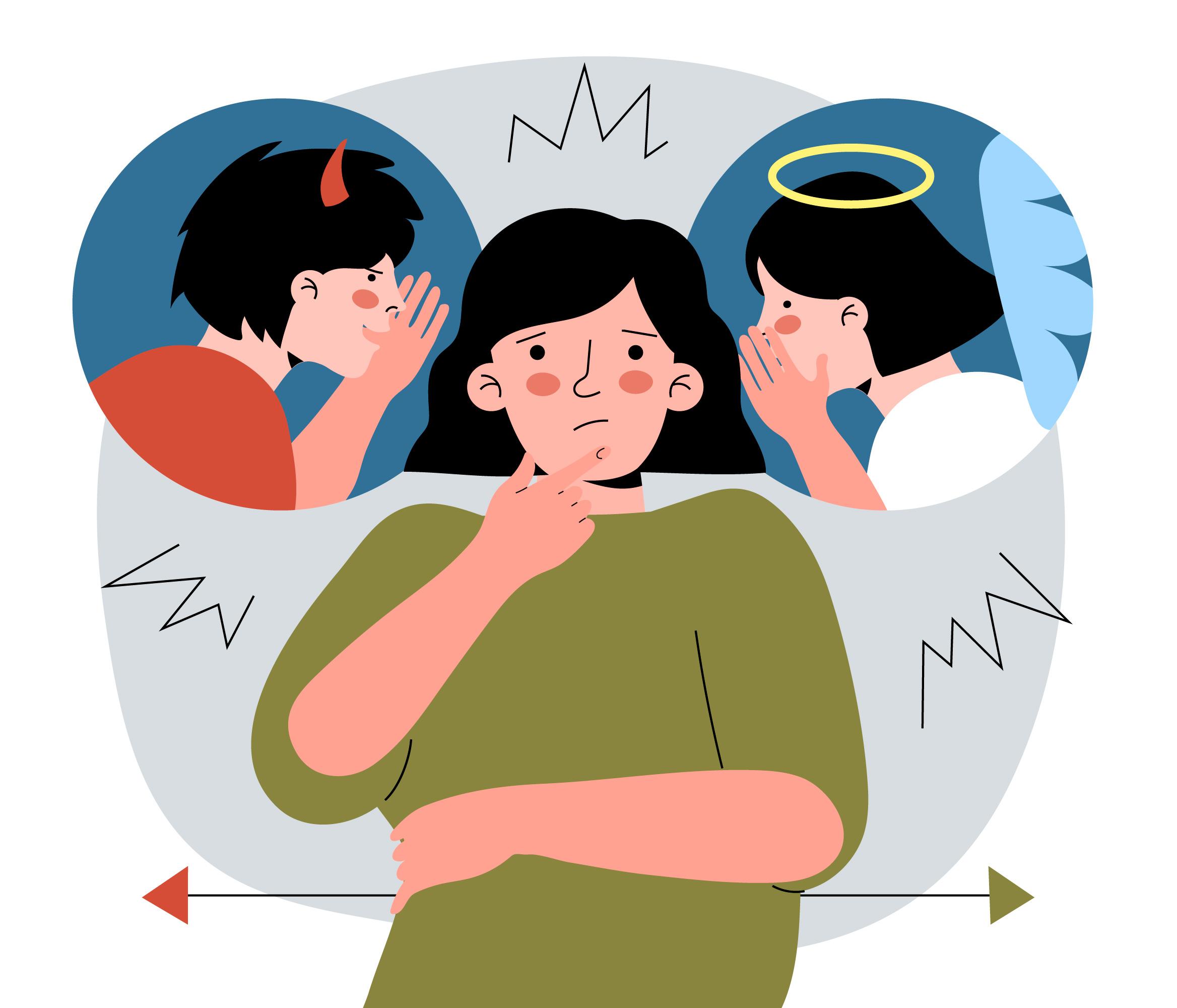
If morality is shaped by culture, time, and personal belief — if what is “right” for one person is “wrong” for another — then can ethics still claim any authority? Or does everything dissolve into opinion, leaving no ground for judgment at all?
At first glance, a world of subjective morality seems to erase ethics entirely. Without universal truths, how can we say that kindness is better than cruelty, or honesty better than deceit? Yet, paradoxically, the very awareness of moral diversity may deepen the need for ethics. When right and wrong are not fixed, ethics becomes not a set of rules, but a practice — the art of reasoning, of dialogue, of reflection amid uncertainty.
Ethics, then, does not require absolute morality. It requires humility. It invites us to examine our values, to justify them, to listen to others who see the world differently. In this sense, ethics is less about knowing what is right, and more about seeking what might be right together. It is the fragile bridge between subjectivity and shared humanity.
So even in a world without moral absolutes, ethics survives — not as a law written in stone, but as a conversation that never ends. And perhaps that is its truest form: not certainty, but sincerity.
Để lại một bình luận